
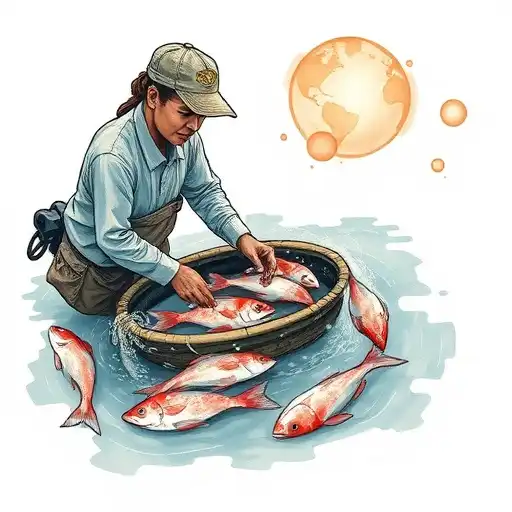

The Rich Tapestry of Fishing: A Historical and Cultural Overview
Fishing, an ancient practice that has been a cornerstone of human survival and culture, offers a tapestry of stories and practices that spans continents and centuries. Throughout history, fishing has played a critical role in providing sustenance, economic opportunities, and cultural traditions. In modern times, it has evolved into not just a survival activity but also a recreational pursuit and an industry with vast global reach.
The Evolution of Fishing Practices
From its rudimentary beginnings with sharpened sticks and simple nets, fishing has come a long way. Early humans relied heavily on the bounty of the waters, and as tools and techniques developed, so did the complexity of fishing methods. Today, we see both traditional and modern techniques in practice.
Initially, fishing was a means of survival, with tribes depending on their local rivers, lakes, or coastal waters for sustenance. As civilizations advanced, the method of fishing became more refined and included the development of hooks, lines, and traps. The industrial revolution brought further advancements, introducing mechanized boats and modern fishing gear.
Today, fishing encompasses a range of practices from commercial fishing, which accounts for millions of tonnes of fish harvested annually, to sport fishing, which has become a popular recreational activity attracting enthusiasts worldwide. Alongside these is subsistence fishing, a crucial component for numerous communities around the globe.
Fishing and Cultural Significance
Beyond its economic implications, fishing has a deep cultural resonance. For numerous indigenous and coastal communities, fishing is not just a livelihood but a way of life. It permeates their traditions, rituals, and social structures. Cultural festivals around the world often celebrate the act of fishing, displaying its importance through ceremonial practices.
For instance, in Japan, the centuries-old practice of Tai-Ami involves groups of fishermen working in coordination to encircle and catch red seabream, viewed as auspicious and a symbol of celebrations. Meanwhile, in the Nordic countries, fishing practices have been immortalized in Viking lore, emphasizing strength and perseverance.
BKB.bet Platform-Online Slots Brasil #1: The Intersection of Fishing and Entertainment
The modern digital age has blurred the lines between traditional activities and contemporary entertainment platforms. Online platforms like BKB.bet platform-online Slots Brasil #1 have tapped into the universal appeal of fishing by incorporating themes related to the sport and pastime into their offerings. This convergence allows enthusiasts not only to experience the thrill of fishing in reality but also to explore it within the realm of online entertainment.
The platform has embraced the iconic elements of fishing, integrating them into online slots and games that resonate with both avid fishers and those who appreciate the thematic diversity. The gamification found in these digital slots reflects fishing’s unpredictable excitement and strategy, engaging players in a novel way.
Players encountering fishing-themed slots experience not just gameplay but a narrative that immerses them in environments reminiscent of serene lakesides or bustling fish markets. This extension of fishing’s intrigue into a new domain illustrates the adaptability and enduring nature of fishing in various cultural forms.
Sustainability in Modern Fishing
One of the most critical conversations around fishing today revolves around sustainability. With the growing global demand for fish, commercial practices have been scrutinized for their impact on marine ecosystems. Overfishing, habitat destruction, and bycatch are significant challenges faced by the industry.
A move towards sustainable fishing practices is imperative. Initiatives like regulated fishing zones, catch limits, and sustainable aquaculture practices are strategically vital. The focus is to balance the economic needs of communities relying on fishing while ensuring the conservation of aquatic life.
Moreover, consumer awareness is growing, with movements encouraging sustainable seafood choices. Certification programs and environmental advocacy organizations are instrumental in promoting practices that benefit both people and the planet.
The Recreational and Economic Aspects of Fishing
Fishing as a recreational activity offers relaxation, adventure, and a connection with nature. Whether it's casting a line in a serene mountain stream or venturing out into the open sea, the experience is unique and varied. For many, recreational fishing is a way to disconnect from the hustle of daily life and reconnect with the tranquility of natural surroundings.
Economically, the fishing industry remains a powerhouse, fueling local and international markets. The production of fish and seafood involves comprehensive supply chains, from fishing fleets to processing facilities and global trade networks. Countries with abundant fishery resources often see fishing as a significant contributor to their GDP and employment.
Sport fishing has developed into a lucrative industry, with global tournaments and competitions that draw international attention. Anglers often travel vast distances to participate, injecting tourism revenue into hosting economies.
In Conclusion
Fishing, whether viewed through a historical, cultural, or economic lens, remains a vibrant thread in the fabric of human life. Its transformation from an essential survival skill to a complex global industry and beloved pastime is a testament to its enduring allure. Platforms like BKB.bet platform-online Slots Brasil #1 illustrate how fishing continues to inspire and entertain, showcasing the sport’s adaptability to contemporary trends and cultures.
Ultimately, the future of fishing will depend on innovative practices, sustainable management, and a continued reverence for the deep relationship humans share with the aquatic world.